What is the difference between SAP IDES and BBP?
BBP and IDES are both preinstalled data packages in an SAP system, such as fictitious companies, customers, and other sample data.
The main difference is that BBP is a much smaller dataset.
Whereas IDES contains a thousand customers or suppliers, BBP contains only a few dozen such entries.IDES was available for the SAP R/3 and SAP ECC releases
BBP is now included starting with S/4 HANA
SAP IDES (Internet Demo & Evaluation System) consists of a set of basic configuration settings for all standard SAP modules and also contains large amounts of sample data (i.e., customers, vendors, companies, transactions, etc.).
IDES was first released in 1995 and was available for the SAP R/3 and SAP ECC releases.
However, IDES is no longer available for the new SAP S/4 HANA system.
It has been replaced by SAP BBP (Business Best Practices).
BBP (Business Best Practices) packages are very similar to IDES—they also contain basic configuration settings, sample master data, and sample transactions. The main difference is that BBP is a much smaller dataset. Instead of the 1,000 customers or vendors available in IDES, BBP contains only a few dozen such records.
SAP Best Practice (also known as SAP Rapid Deployment Solutions, SAP RDS) is a standardized content database designed to support implementation projects with ready-to-run business processes. These processes are based on the comprehensive and flexible model that the SAP Best Practices team has developed through implementations in more than 50 countries with well over 10,000 customers.
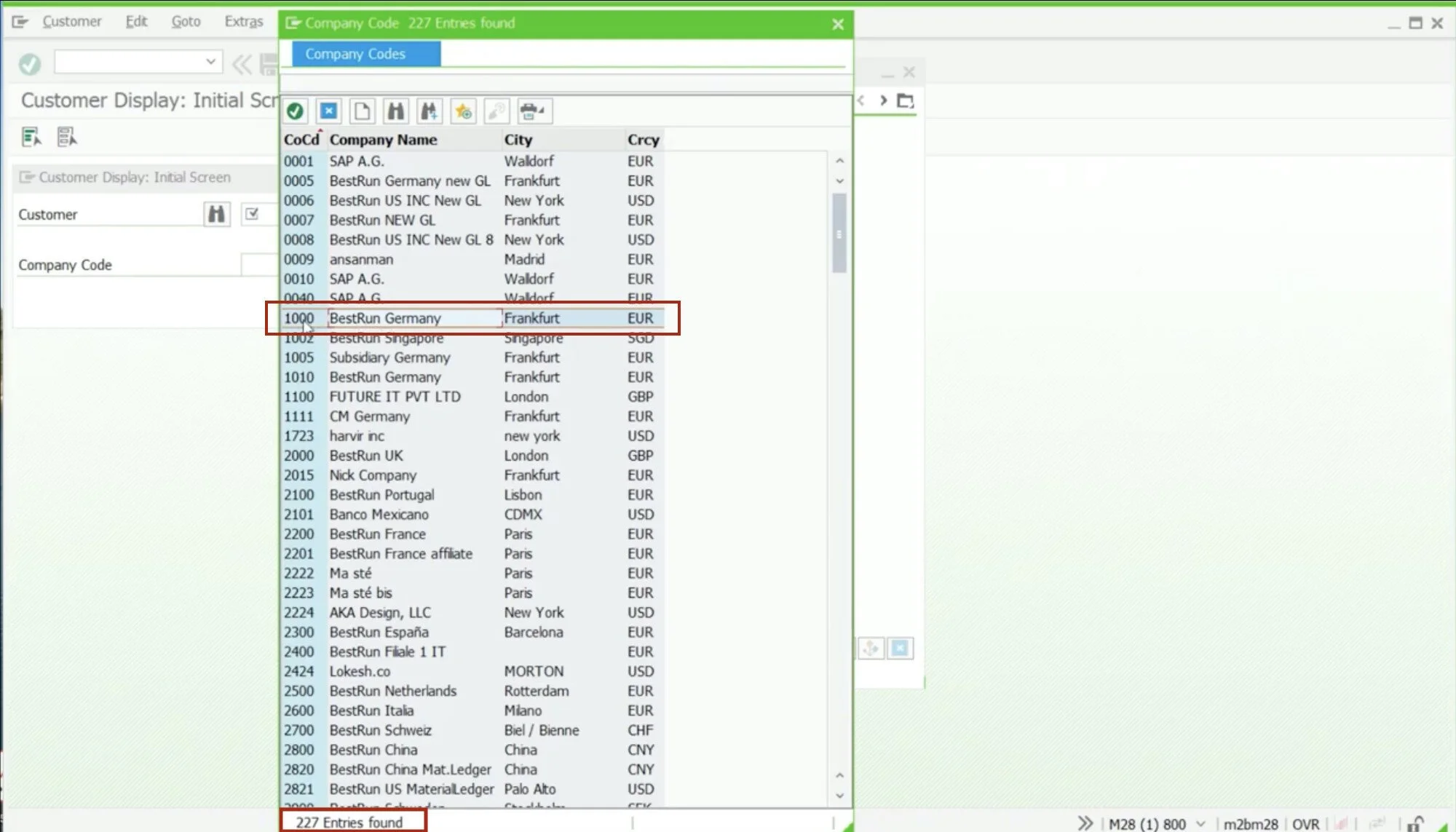
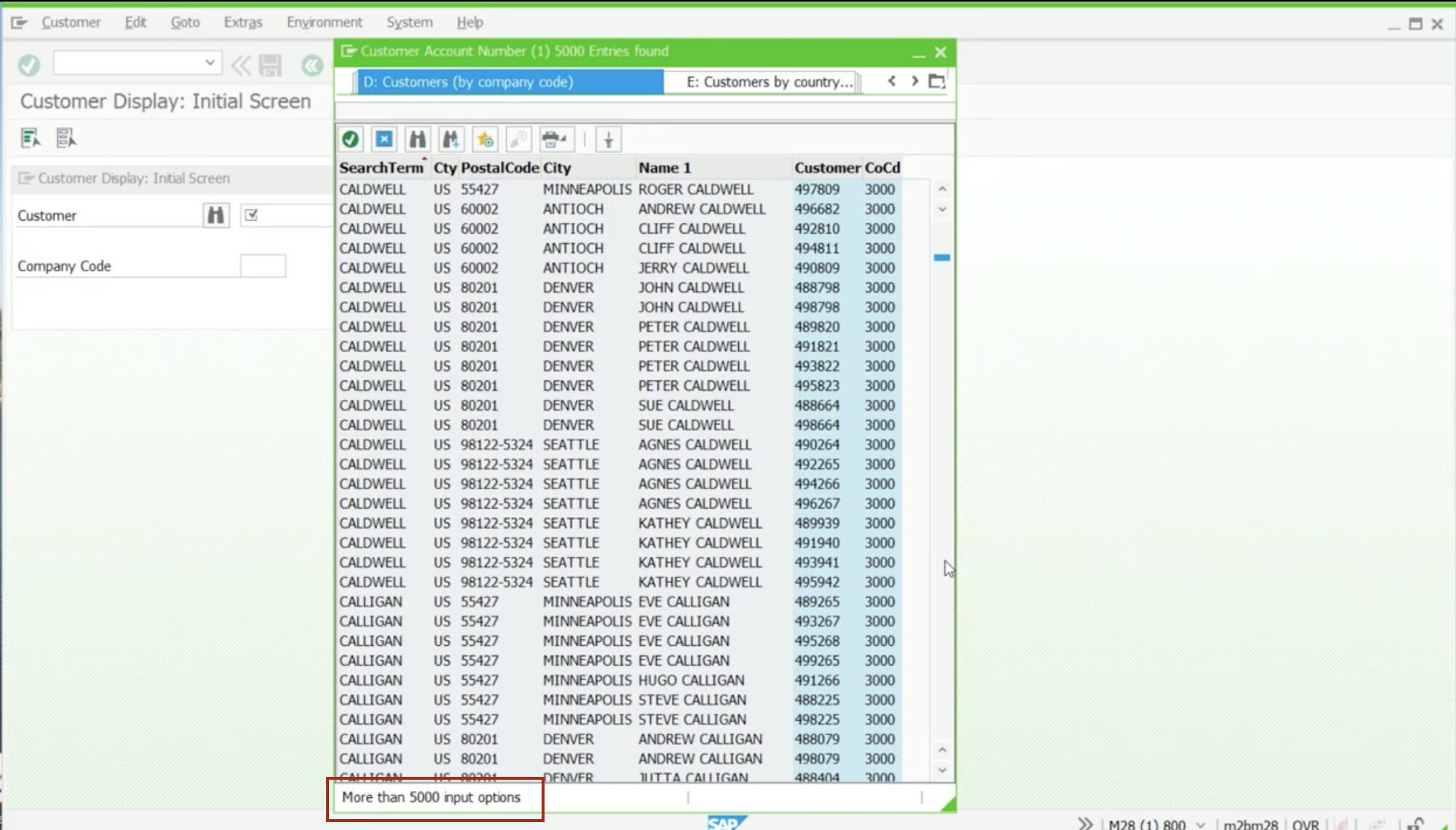
When we log in to both systems—ECC and S/4 HANA—and look at company and customer data, for example, the difference becomes apparent:
IDES Data in SAP ECC
BBP Data in S/4 HANA
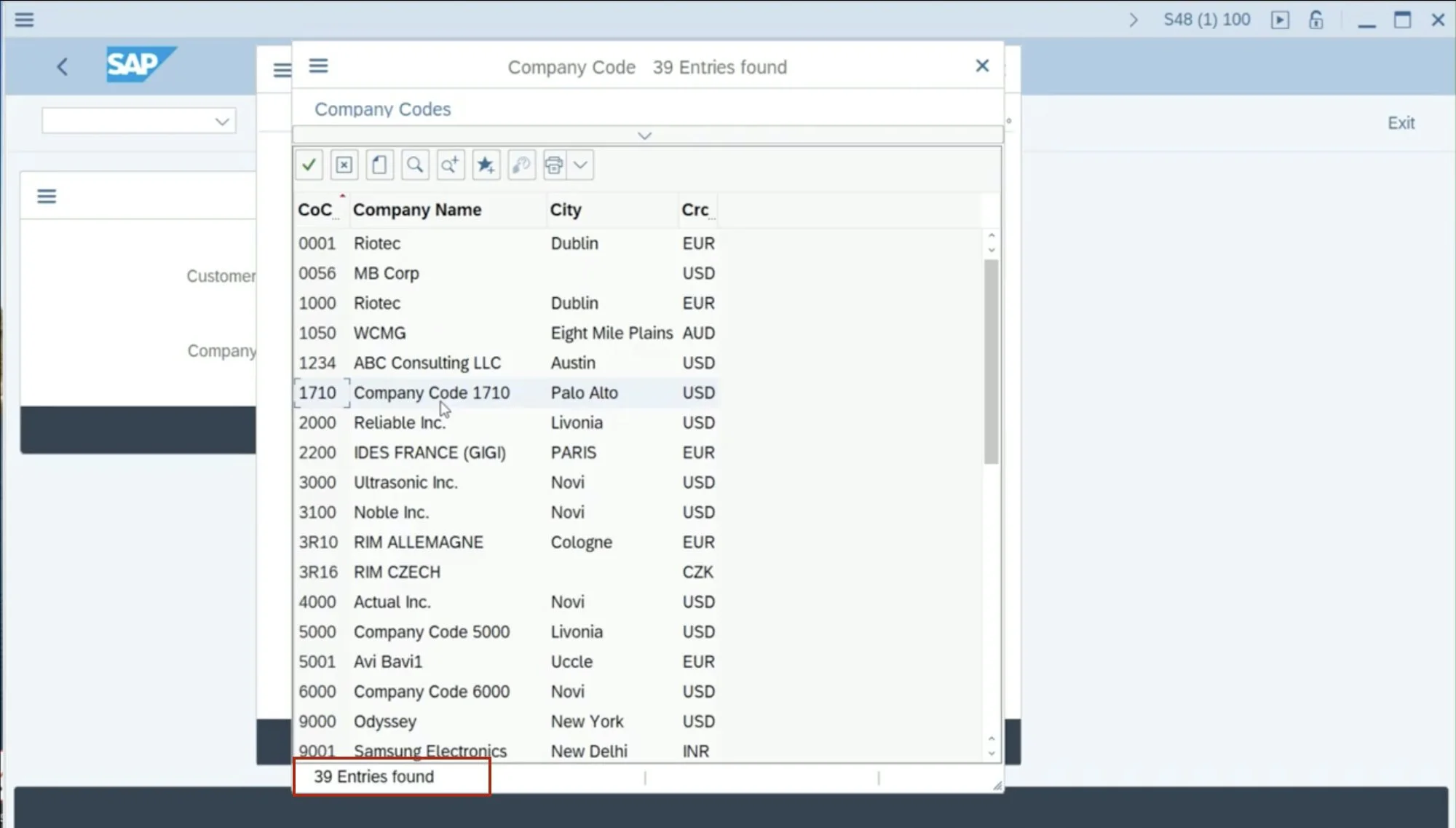
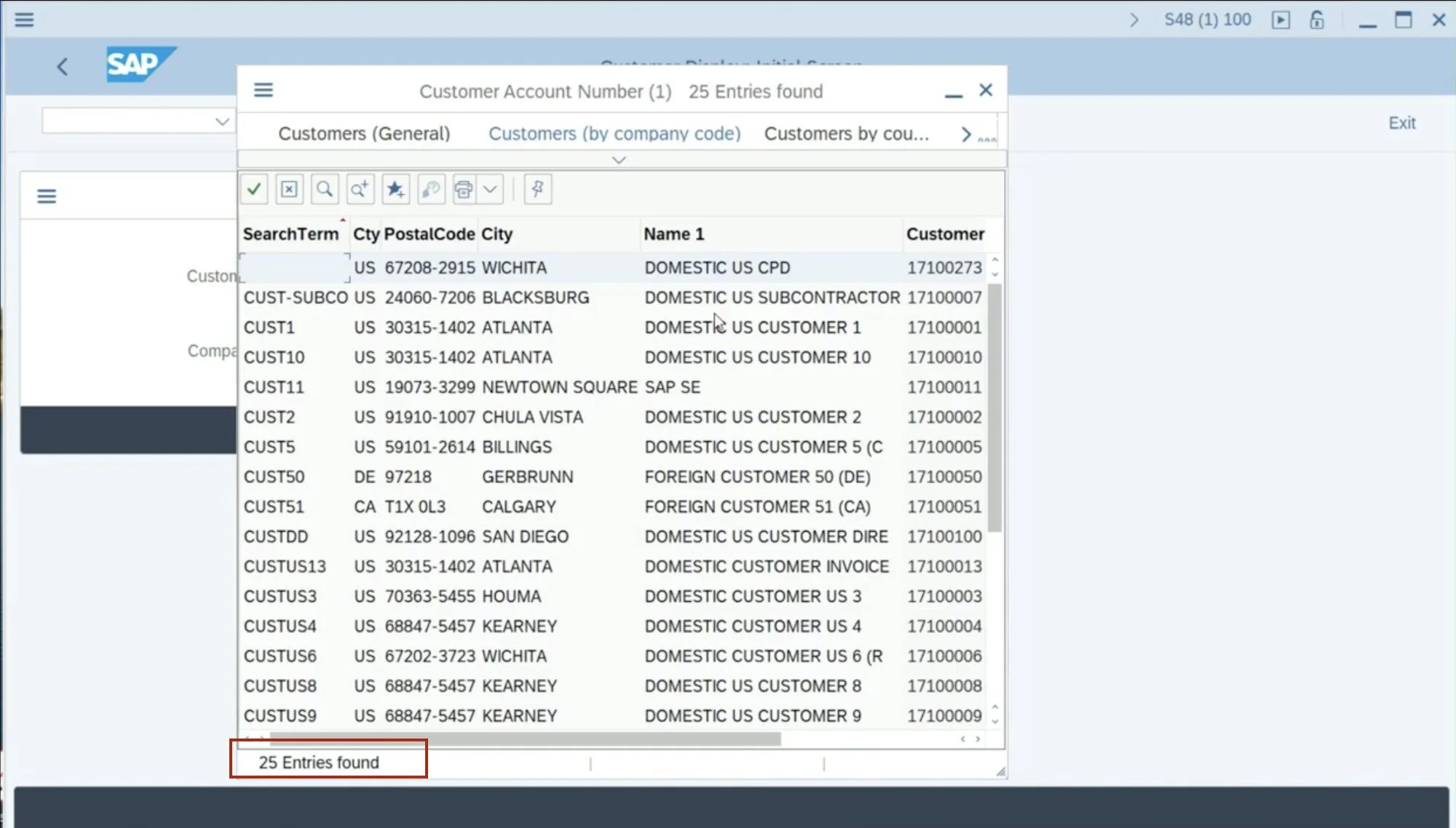
So we can see that the large volume of sample data in IDES has been significantly reduced in BBP.
Perhaps SAP has realized that you don’t necessarily need thousands of customer and company records—a few selected samples are probably sufficient for testing, experimenting, learning, and working in an SAP system.
What do you think?